
A Beginner’s Guide to Starting a YouTube Channel in South Africa
Starting a YouTube channel has never been more accessible — but for many South Africans, it still feels confusing, risky, or unrealistic.
You hear success stories of creators earning in dollars, quitting jobs, or building global audiences. What you don’t often hear is how South Africans actually start with limited data, unstable power, tight budgets, and local compliance rules.
This guide is written for beginners who want clarity before they press record. Not hype. Not shortcuts. Just a realistic explanation of what it takes to start a YouTube channel in South Africa — and where it can realistically lead.
Why YouTube Is Still a Real Opportunity in South Africa
YouTube works differently from most social platforms. A video uploaded today can still earn views, subscribers, and income years from now. That makes it especially powerful in an economy where consistency often matters more than virality.
South Africa also has a growing advantage:
- Strong demand for local voices and relatable content
- Less competition in many local niches compared to global markets
- Lower production expectations for educational and practical content
- Monetisation options that go beyond ads alone
You don’t need millions of subscribers. Many South African creators earn sustainable income with small but focused audiences.
The First Mistake Beginners Make
Most beginners start with the wrong question: “What should I post?”
The better question is: “Who am I helping, and with what problem?”
YouTube rewards clarity. Channels that try to do everything — vlogs one week, reactions the next, tutorials after that — struggle to grow. The algorithm and viewers both prefer consistency.
Successful beginner channels usually start by solving one clear problem for one clear audience.
Choosing a YouTube Niche That Works Locally
A niche is not about limiting yourself. It’s about being understood.
In South Africa, niches perform best when they combine global interest with local relevance. Examples include:
- How-to education using South African systems or prices
- Business, side hustles, or personal finance with local tools
- Product reviews of items actually available in South Africa
- Skills training using affordable or free software
- Culture, food, or lifestyle with a South African angle
A beginner-friendly test is simple: if you can easily list 10 video ideas under one topic, you’ve likely chosen a strong niche.
Starting Without Expensive Equipment
One of the biggest myths is that you need professional gear to begin.
In reality, many South African creators start with:
- A smartphone released in the last few years
- Natural light from a window
- Free editing software like CapCut or DaVinci Resolve
- A basic tripod or stable surface
Viewers forgive average visuals. They do not forgive poor sound or unclear explanations. If you upgrade anything early, upgrade audio before video.
Planning Around Load-Shedding and Data Costs
South African creators face challenges that international advice often ignores.
Load-shedding affects filming, editing, and uploading. Data costs affect upload quality and consistency. Ignoring these realities leads to frustration.
Practical beginners plan around them by:
- Batch-recording videos when power is available
- Editing offline and uploading during off-peak hours
- Using scheduled uploads to stay consistent
- Keeping videos clear and concise to reduce file size
YouTube rewards consistency, not daily uploads. One video a week, done properly, is enough to grow.
How Monetisation Really Works
Many beginners think YouTube income only comes from ads. That’s only one option — and not the first one most creators reach.
South African creators often monetise through a mix of:
- AdSense once minimum requirements are met
- Affiliate links to locally available products
- Sponsored content with small local brands
- Digital products like templates, guides, or services
The key mindset shift is this: YouTube is not just a platform. It’s a distribution channel for trust.
Understanding Tax and Compliance Early
Income from YouTube is still income.
South African creators must understand how earnings relate to SARS, AdSense payouts, and business registration. Ignoring this early creates problems later.
You don’t need to be an expert, but you do need basic awareness — especially if you plan to grow beyond a hobby.
Related Resources
Explore the complete guide: [How to Start a YouTube Channel in South Africa & Earn Income]
The Next Practical Step
This article gives you clarity, but clarity alone doesn’t build a channel.
If you want a structured, step-by-step guide that goes deeper into planning, setup, content creation, growth, monetisation, and South African compliance, the next step is the eBook:
How to Start a YouTube Channel and Earn Income in South Africa
It expands on everything covered here with clear examples, practical checklists, and downloadable templates — designed specifically for South Africans starting from scratch.
If you’re serious about turning YouTube into a real income opportunity, this guide helps you move from guessing to executing with confidence.
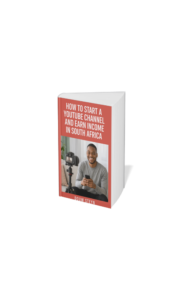
How to Start a YouTube Channel and Earn Income in South Africa
A practical, South Africa–focused guide to starting, growing, and monetising a YouTube channel — even with limited budget, data, or equipment. Learn how real South Africans turn content into income....