How to Start a Car Wash Business in South Africa With Low Capital
Starting a business in South Africa does not always require large amounts of money or complex infrastructure. One of the most accessible service businesses you can start with low capital is a car wash. Across townships, suburbs, and city centres, car wash businesses continue to grow because demand is steady and entry barriers are relatively low.
This guide explains how to start a car wash business in South Africa with limited funds, what decisions matter most early on, and how to avoid the common mistakes that keep many small car washes stuck at survival level.
Why a Car Wash Is a Low-Capital Business Opportunity
A car wash business is attractive because it solves a simple, ongoing problem. Vehicles get dirty regularly, and many owners prefer paying for convenience rather than washing their cars themselves.
From a startup perspective, the key advantages include:
- No need for expensive stock or inventory
- Skills can be learned quickly
- You can start informally and formalise later
- Demand exists in almost every community
Unlike retail businesses, you are not tied to expensive premises or long supplier contracts. You are selling a service, and your main inputs are time, effort, water, and basic equipment.
Choosing the Right Car Wash Model When Capital Is Limited
The biggest mistake new entrepreneurs make is copying the wrong business model. If your capital is limited, you should not start by aiming for a large fixed-site or automated wash.
Hand Wash (Fixed or Semi-Fixed)
This is the most common starting point. A basic hand wash can be set up using buckets, hoses, brushes, and a pressure washer. Many successful operators begin by renting a small space near a taxi rank, petrol station, or busy road.
Startup costs can be kept low by:
- Buying entry-level equipment
- Sharing water access where permitted
- Starting alone or with one assistant
Mobile Car Wash
A mobile car wash is ideal if you want flexibility and low overheads. Instead of customers coming to you, you go to them. This model works well in office parks, residential complexes, and for fleet vehicles.
You will need transport, a water tank, and basic power solutions, but you save on rent and utilities. Many mobile operators start part-time and scale as demand grows.
Understanding Realistic Startup Costs
One of the reasons people underestimate this business is because they do not track costs properly. Even a low-capital business needs planning.
Typical low-budget startup items include:
- Buckets, brushes, and microfiber cloths
- Basic pressure washer
- Vacuum cleaner
- Car wash chemicals
- Extension cords and hoses
Many new operators start with less than R10,000 by buying gradually and upgrading equipment once income starts coming in.
Pricing Correctly From Day One
Underpricing is one of the fastest ways to fail, even if you are busy. Many new car wash owners charge too little because they focus only on what competitors are charging, not on what it actually costs them to operate.
Your pricing should cover:
- Water and electricity
- Chemicals and consumables
- Your time or staff wages
- Maintenance and replacements
Once your costs are covered, you can build profit through volume, upsells, and packages rather than discounts.
Legal and Compliance Basics You Should Not Ignore
Many low-capital businesses start informally, but ignoring compliance completely can limit growth. Even small car washes should understand the basics of registration, municipal rules, and environmental requirements.
Key points to consider include:
- Business registration when you are ready to formalise
- Municipal water-use rules
- Proper drainage and waste management
- Basic insurance for public liability
Being compliant does not only protect you from fines; it also makes it easier to secure better locations and corporate clients later.
Marketing a Car Wash on a Small Budget
You do not need a big marketing budget to attract customers. In most communities, visibility and consistency matter more than advertising spend.
Effective low-cost marketing methods include:
- Clear signage and pricing boards
- Flyers distributed locally
- WhatsApp Business for bookings and updates
- Before-and-after photos on social media
Word of mouth remains one of the strongest drivers of growth in service businesses. Good service turns customers into promoters.
Why Many Car Washes Stay Small (And How to Avoid It)
Most struggling car washes are busy but not profitable. They operate without records, do not track expenses, and rely on memory instead of systems.
To avoid this trap:
- Track daily income and expenses
- Separate personal and business money
- Set simple goals for growth
- Reinvest part of your profits
Growth does not happen by accident. It happens through structure, discipline, and better decision-making.
Related Resources
When a Guide Becomes the Smart Next Step
This article gives you clarity on what starting a low-capital car wash involves. However, real progress comes when you move from general understanding to step-by-step execution.
That is where a structured guide becomes valuable. A good guide does not replace effort, but it shortens the learning curve and helps you avoid costly mistakes.
Explore the complete guide: [How to Start a Car Wash Business in South Africa | Buckets to Bucks]
Take the Next Practical Step
Buckets to Bucks: How to Start a Thriving Car Wash Business in South Africa is a practical eBook designed for South African entrepreneurs who want clear guidance, realistic numbers, and proven approaches.
The book expands on everything covered here, with detailed breakdowns of business models, pricing, compliance, staffing, marketing, and growth strategies based on local conditions.
If you are serious about turning a simple car wash into a sustainable income stream, this guide gives you the structure to do it properly.
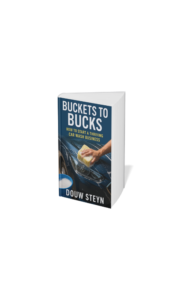
Buckets to Bucks: How to Start a Thriving Car Wash Business in South Africa
Start a profitable car wash business in South Africa with minimal capital. This practical, step-by-step guide shows you how to choose the right model, price for profit, stay compliant, and...