Opening a Yoga Studio in South Africa: What It Really Takes
Opening a yoga studio in South Africa is often imagined as a calm, purpose-driven venture built around community and wellness. While that vision can be true, the reality is more complex. A yoga studio is still a business, and like any business, it succeeds or fails based on planning, structure, and informed decisions.
This article looks beyond the romantic idea of studio ownership and explores what it really takes to build a yoga studio that is both meaningful and financially sustainable in South Africa.
The First Reality: Passion Is Not a Business Model
Loving yoga is a powerful starting point, but it is not enough on its own. Many studios struggle because the owner underestimates the operational side of running a business. Rent, instructor payments, software, insurance, marketing, and utilities do not disappear just because the space is calm and welcoming.
Before committing to a lease or purchasing equipment, you need to understand how your studio will make money consistently. This means choosing a studio model that fits your lifestyle, your budget, and your local market.
Understanding the South African Context
South Africa presents unique opportunities and challenges for yoga studio owners. Demand for wellness services is growing, but economic pressure makes customers more value-conscious. This affects pricing, class attendance, and retention.
Factors you must consider include:
- Location-specific rent and operating costs
- VAT implications once you cross the registration threshold
- Seasonal attendance drops, especially in December and January
- Load shedding and its impact on scheduling and operations
A studio that works in Sea Point may not work in Durban North or Fourways. Local research matters more than copying models seen online or overseas.
Choosing the Right Studio Model
One of the most overlooked decisions is the type of studio you are opening. A boutique studio, home-based studio, or mobile offering each comes with different risks and cost structures.
For example, a home-based studio may generate steady income with far less pressure, while a boutique studio requires higher monthly turnover but allows for premium pricing. There is no universal “best” option—only the option that fits your current reality.
Pricing Is Strategy, Not Guesswork
Pricing classes and memberships is one of the hardest parts of running a yoga studio. Charge too little and you burn out. Charge too much and attendance drops. In South Africa, pricing must balance affordability with sustainability.
Effective pricing considers:
- Your fixed monthly costs
- Class capacity and realistic attendance
- Local competitor pricing
- The value of consistency, not once-off drop-ins
Studios that survive long-term usually prioritise memberships, class packs, and predictable income rather than relying heavily on casual attendance.
Legal, Licensing, and Compliance Are Not Optional
Many wellness businesses delay dealing with compliance, hoping to “sort it out later.” This often becomes expensive. Business registration, insurance, lease agreements, and basic health and safety considerations protect both you and your students.
Ignoring these elements may not stop you from opening, but it can stop you from growing.
Marketing Is About Trust, Not Noise
In South Africa, yoga studio marketing works best when it is local, consistent, and community-focused. Social media ads alone are rarely enough. Students choose studios they trust, feel comfortable visiting, and can easily fit into their routine.
Effective marketing often includes:
- Local search visibility
- Clear communication on pricing and schedules
- Beginner-friendly messaging
- Word-of-mouth and referral incentives
Marketing should reflect the experience you deliver inside the studio. Overpromising leads to short-term interest and long-term disappointment.
Operations Are Where Studios Win or Lose
Daily operations determine whether students return. Cleanliness, punctuality, instructor consistency, and simple booking systems matter more than décor.
Studios that feel reliable build loyalty. Studios that feel chaotic lose trust, even if the teaching quality is high.
What Most People Only Learn the Hard Way
Many yoga studio owners discover too late that structure creates freedom. Without clear systems and boundaries, the studio begins to control the owner rather than support them.
Taking time to plan before opening is not a delay—it is a form of risk management.
Turning Knowledge Into Action
Understanding what it really takes to open a yoga studio is the first step. The next step is applying that knowledge in a structured, practical way that fits the South African market.
Explore the complete guide: [How to Open a Yoga Studio in South Africa | Practical Business Guide]
Your Next Practical Step
If you are serious about opening a yoga studio and want a clear, step-by-step framework tailored to South Africa, the eBook How to Open a Yoga Studio: Balancing Business and Wellness is designed to guide you through the entire process.
It expands on the realities discussed here with practical examples, planning tools, and downloadable worksheets to help you move from idea to operation with confidence.
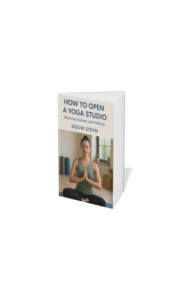
How to Open a Yoga Studio: Balancing Business and Wellness
A practical, South Africa–focused guide to opening and running a successful yoga studio. Learn how to turn your passion for yoga into a sustainable business — from planning and pricing...