
Stop Burning Out: Manage Business Stress
Burnout doesn’t usually arrive with a dramatic breakdown. For most business owners, it shows up quietly: poor sleep, constant irritation, avoiding your banking app, working longer hours but feeling less productive.
In South Africa, business stress is not just about workload. It’s about load-shedding disrupting plans, clients paying late, rising costs, and the reality that business income often supports more than just the business.
If you feel like you’re always “pushing through” but never catching up, this article is for you.
Burnout Is Not a Personal Failure
Many entrepreneurs believe stress is a personal weakness. They think stronger people cope better, work harder, or simply handle pressure more naturally.
The truth is simpler and more uncomfortable: burnout is usually a system problem, not a personality problem.
When income is unstable but expenses are fixed, when boundaries are unclear, and when decisions pile up daily without structure, stress becomes unavoidable. No amount of motivation can fix a broken operating system.
Important shift: Stress is not proof that you are failing. It is feedback that something in your business setup needs attention.
Why Business Stress Feels Worse in South Africa
Advice written for overseas entrepreneurs often assumes stable infrastructure, predictable payments, and clear separation between business and personal finances.
South African business owners operate in a very different reality:
- Load-shedding disrupts schedules, production, and client trust.
- Late payments are common, even from reputable clients.
- Fuel, data, security, and compliance costs rise steadily.
- Family and community expectations often depend on business income.
This combination creates ongoing pressure, not short-term stress spikes. When stress becomes chronic, decision-making suffers. That’s when burnout starts affecting pricing, client choices, and leadership.
The Hidden Signs You’re Heading Toward Burnout
Burnout is rarely about being tired after a busy week. It’s about long-term overload without recovery.
Common warning signs include:
- Feeling anxious or guilty when you rest
- Avoiding admin tasks like invoicing or tax
- Snapping at staff, clients, or family
- Working more hours but achieving less
- Constantly reacting instead of planning
Ignoring these signs doesn’t make them disappear. It usually makes the next crisis harder to manage.
How to Reduce Stress Without Slowing Down Your Business
Managing stress does not mean doing less business. It means running your business with more structure.
1. Reduce Decision Fatigue
Every decision drains energy. Pricing, scheduling, supplier choices, and client responses all add up.
Write down repeat decisions once and reuse them. Fixed pricing, standard messages, and clear policies reduce mental load immediately.
2. Create Clear Boundaries
Most people don’t cause stress intentionally. They respond to what you allow.
Clear working hours, payment terms, and response times protect your energy and improve professionalism. Boundaries are not rude; they are stabilising.
3. Stabilise Cash Flow Before Chasing Growth
Many business owners focus on more sales when the real problem is timing.
Speed up invoicing, request deposits, and schedule weekly money check-ins. Predictability reduces anxiety more than higher turnover.
4. Separate Owner Work From Operator Work
If you spend all day delivering and reacting, there is no space to think.
Protect specific hours each week for planning, pricing, and system-building. This is not a luxury. It’s what prevents burnout.
Why Quick Fixes Don’t Work
Stress is often treated with surface solutions: time management apps, motivational content, or short breaks.
These help temporarily, but they don’t fix underlying causes like unclear roles, unstable income, or lack of boundaries.
Sustainable stress reduction requires changing how the business runs, not just how you feel about it.
Key insight: When systems improve, stress drops automatically. You don’t need more discipline; you need better structure.
A Practical Next Step
If this article resonates, it’s likely because you recognise these patterns in your own business.
The eBook How Can You Manage Stress as a Small Business Owner? was written specifically for South African entrepreneurs facing these pressures daily.
It goes deeper into:
- Identifying your specific stress triggers
- Building systems that reduce pressure
- Managing money stress realistically
- Setting boundaries without losing clients
- Implementing a practical 30-day stress reset
This is not motivational content. It’s a practical guide for owners who want to build sustainable businesses without burning out.
Ready to Stop Burning Out?
You don’t need to quit, push harder, or wait for things to calm down. You need a business setup that supports you.
How Can You Manage Stress as a Small Business Owner? is the next practical step.
Explore the complete guide: [How Can You Manage Stress as a Small Business Owner? | SA Guide]
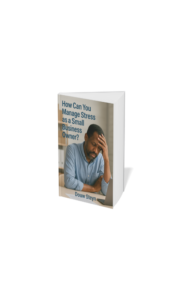
How Can You Manage Stress as a Small Business Owner?
Running a small business in South Africa is stressful — load-shedding, late-paying clients, cash flow pressure, staff issues, and family demands all hit at once.This practical eBook helps South African...