Why Every Fitness Entrepreneur Should Consider a Virtual Yoga Studio in South Africa
South Africa’s fitness industry is changing. Rising costs, digital adoption, and shifting client expectations are forcing fitness entrepreneurs to rethink traditional business models.
One opportunity stands out for its low overheads, scalability, and long-term relevance: the virtual yoga studio.
This is not a trend driven by social media hype. It is a strategic move that allows fitness business owners to expand reach, stabilise income, and build resilient wellness brands in a highly competitive market.
The Real Business Problem Facing Fitness Entrepreneurs
Running a physical fitness business in South Africa is becoming increasingly difficult.
Rent, utilities, load shedding disruptions, staff costs, and fluctuating client attendance all place pressure on margins. Even successful gyms and studios feel the strain.
At the same time, clients want flexibility, convenience, and value. They want wellness services that fit into busy lives and unpredictable schedules.
A virtual yoga studio directly addresses this gap between business sustainability and client demand.
Why Yoga Works Especially Well Online
Not every fitness offering translates well into a digital format. Yoga does.
Yoga relies on demonstration, verbal cueing, breathwork, and rhythm rather than heavy equipment or physical contact. This makes it ideal for online delivery.
From a business perspective, this means:
- Lower startup and operating costs
- Minimal equipment requirements
- High client retention when done professionally
- Scalable income through recorded and live content
For fitness entrepreneurs, yoga is not just another class offering — it becomes a platform for long-term digital revenue.
The South African Advantage for Virtual Yoga
South Africa presents unique opportunities for virtual fitness businesses.
Data costs are declining, digital payments are widely adopted, and wellness awareness is growing rapidly across income segments.
Importantly, local pricing flexibility allows South African fitness entrepreneurs to:
- Offer affordable options locally
- Charge premium rates internationally
- Remain VAT compliant while expanding reach
This creates a rare situation where a home-based business can compete globally while serving local clients sustainably.
Virtual Yoga as a Revenue Stabiliser
One of the biggest risks in fitness entrepreneurship is reliance on physical attendance.
Virtual yoga reduces this dependency by introducing predictable, recurring income streams such as:
- Monthly memberships
- On-demand class libraries
- Corporate wellness programmes
- Online workshops and challenges
Instead of selling hours, fitness entrepreneurs begin building systems that generate income even when they are not teaching live.
It’s Not About Replacing Your Gym or Studio
A common misconception is that virtual fitness means abandoning physical spaces.
In reality, the strongest fitness brands in South Africa are hybrid.
They combine physical presence with digital offerings that:
- Extend client relationships beyond the gym floor
- Protect income during seasonal dips or disruptions
- Create new customer entry points into the business
A virtual yoga studio becomes a strategic layer added to your existing business model, not a replacement.
What Most Fitness Entrepreneurs Get Wrong
The problem is not starting a virtual yoga offering.
The problem is starting without structure.
Common mistakes include:
- Poor pricing that undervalues services
- No legal or tax compliance planning
- Weak positioning and unclear target markets
- Overcomplicated technology setups
- Burnout from relying only on live classes
This is why a virtual yoga studio should be built as a business system — not just as online classes.
The Practical Next Step: Build With Structure, Not Guesswork
If you are serious about adding a virtual yoga studio to your fitness business, the difference between success and frustration lies in having a clear framework.
This includes:
- Defining your niche and ideal student
- Choosing the right delivery model
- Setting up legally and ethically in South Africa
- Pricing for sustainability
- Building systems that scale without burnout
These are business decisions, not just fitness decisions.
How to Open a Virtual Yoga Studio: Stretching Beyond Boundaries is a practical, South Africa-focused guide for fitness professionals who want to build, market, and monetise a professional online yoga business.
It covers legal setup, pricing, marketing, systems, and scalable models — written specifically for entrepreneurs, not influencers.
If you want to move beyond trial-and-error and build a virtual yoga studio that actually works as a business, this guide is your next practical step.
Explore the complete guide: [How to Open a Virtual Yoga Studio in South Africa | eBook Guide]
Final Thought
For South African fitness entrepreneurs, a virtual yoga studio is no longer a side experiment.
It is a strategic opportunity to build a more resilient, scalable, and future-proof business.
The entrepreneurs who succeed will not be the ones who move fastest — but the ones who build with structure, clarity, and intent.
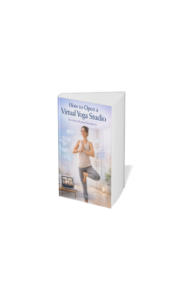
How to Open a Virtual Yoga Studio: Stretching Beyond Boundaries
A practical, step-by-step guide for yoga instructors who want to build, market, and monetise a successful online yoga business. Learn how to design your virtual studio, attract students, price ethically,...