Why Workplace Behavior — Not Skills — Determines Team Success
Most business owners believe that if they hire skilled people, performance will follow. On paper, this makes sense. Qualifications, experience, and technical ability feel measurable and safe.
But in practice, many South African businesses discover a hard truth: teams fail or succeed less because of skill, and more because of behavior.
Deadlines are missed. Conflict goes unresolved. Communication breaks down. Motivation fades. Not because people cannot do the work — but because how they behave under pressure shapes everything.
The Hidden Cost of Focusing Only on Skills
Skills determine what someone can do. Behavior determines what they actually do when things are unclear, stressful, or uncomfortable.
You can train technical skills quickly. Behavior, however, shows up every day — in conversations, reactions, decision-making, and accountability.
In many small and growing businesses, especially those run by first-time entrepreneurs, people issues quietly drain time and money:
- High performers with poor attitudes damaging morale
- Talented staff disengaging because of unclear expectations
- Unresolved conflict slowing down decision-making
- Leaders reacting emotionally instead of leading deliberately
These problems rarely appear on a balance sheet, but they directly affect growth, retention, and reputation.
Why Behavior Becomes the Real Performance Multiplier
Two employees can have the same qualifications and experience, yet deliver very different results. The difference is rarely intelligence or effort. It is behavior.
Behavior influences:
- How people communicate when things go wrong
- How they respond to feedback and pressure
- Whether they take ownership or avoid responsibility
- How they treat customers and colleagues
In South African workplaces, where teams are often diverse and resources are limited, leadership behavior matters even more. People watch what leaders tolerate, reward, and model. Over time, that becomes the culture.
Why Many Business Owners Struggle With Team Leadership
Most entrepreneurs do not start businesses because they want to manage people. They start because they are good at a product, service, or idea.
As the business grows, leadership becomes unavoidable. Without a clear understanding of workplace behavior, owners end up guessing:
- They react instead of responding
- They avoid difficult conversations
- They confuse personality with behavior
- They manage symptoms instead of causes
This guessing creates inconsistency — and inconsistency creates confusion and frustration in teams.
What Strong Leaders Do Differently
Effective leaders do not try to change people’s personalities. They focus on understanding and shaping behavior.
They pay attention to:
- How motivation really works
- How communication styles differ
- How emotions affect decision-making
- How conflict can be managed constructively
Most importantly, they start with their own behavior. Leadership behavior sets the tone long before policies or processes do.
Explore the complete guide: [Decode Workplace Behavior: How to Build and Lead Better Teams]
The Practical Next Step for Business Owners
If you want better team performance, fewer people problems, and stronger leadership confidence, you need more than generic management advice.
You need a clear, practical way to understand why people behave the way they do at work — and how leadership behavior shapes outcomes.
Recommended Reading
Decode Workplace Behavior is a practical guide written for entrepreneurs and business owners who want to lead better teams without guesswork.
The book breaks down workplace behavior in plain language and gives you tools to:
- Improve communication and accountability
- Manage conflict without escalation
- Build trust and motivation
- Lead with clarity instead of reaction
If you are serious about building a business that scales through people — not around them — this guide is the next practical step.
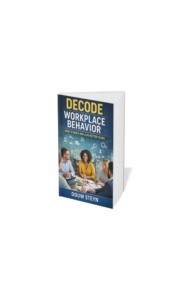
Decode Workplace Behavior: How to Build and Lead Better Teams
Understand why teams behave the way they do — and how leadership behavior shapes performance, trust, and results.This practical guide helps entrepreneurs and leaders decode workplace behavior, improve communication, manage...